
Abstract:
What a fantastic time to be a microscopist! A great enabling technology to help to understand how molecules regulate life or are dysregulated leading to diseases. Today I will highlight several technical breakthroughs in microscopy that enabled us to better understand biology, starting in the 17th century with van Leeuwenhoek, discussing a seminal discovery of Langerhans to Nobel-prize winning techniques (in) directly related to biomedical microscopy from the early 1900s until to date. Focus will be on developments that did highly benefit from each other, like probes for microscopy in living cells and species, as well as development of cutting edge technology such as superresolution microscopy. I will be happy to discuss limitations of the different techniques together, and how to overcome these by using multimodal approaches leading to a bright future of implementation of microscopy to better understand how molecules regulate life, may cause diseases or may help to prevent and cure diseases.
Short Bio:
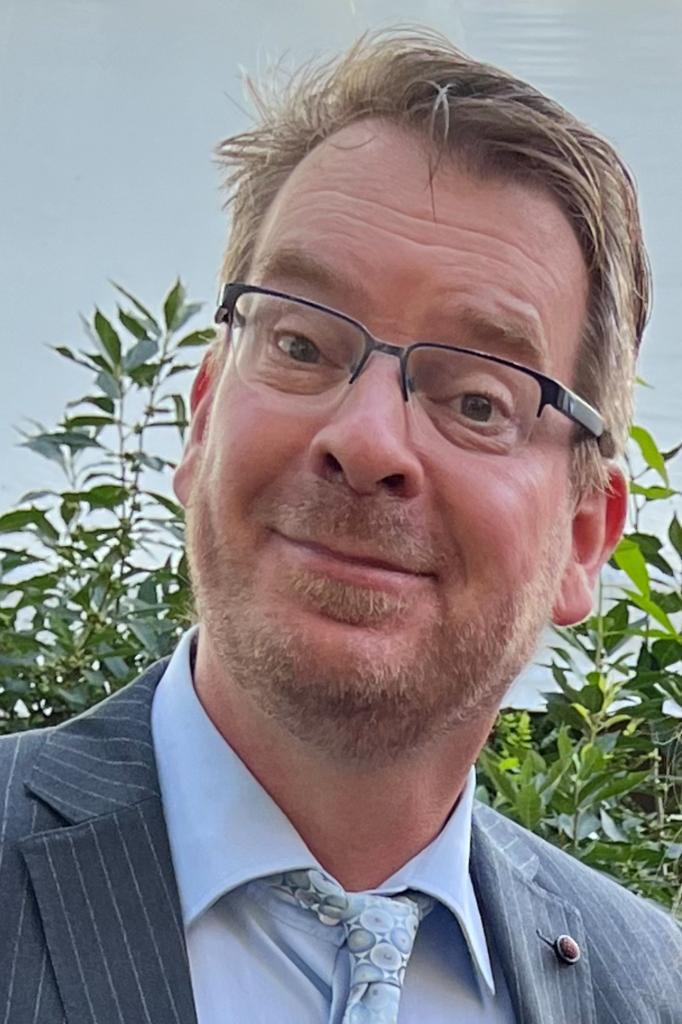
Ben Giepmans is intrigued by how biomolecules act together to control cell fate in health and disease. He is a cell biologist and molecular biochemist/ microscopist. His PhD research at The Netherlands Cancer Institute (2001) and related work in The Scripps Research Institute (CA, USA) have led to a better molecular understanding of gap junctions. In his second post-doc he implemented several new advanced imaging techniques and probes to study protein dynamics in live cells and protein localization at high resolution. These studies have given unexpected new insights in Golgi apparatus reformation during mitosis (NCMIR, University of California, San Diego).
Innovative microscopy is the spearpoint of Giepmans’ research group at UMC Groningen where he also is the architect and director of the advanced microscopy & imaging center (UMIC). The team develops and/or implements new imaging techniques with and without probes for large-scale and multimodal microscopy. Particular focus is on Islets of Langerhans to help to understand trigger(s) and potential new therapies for Type 1 diabetes.